Is Grass Fed Beef Better for the Environment?
It’s a hot topic on the internet these days. Whether between vegans and omnivores, or between team grass-fed & finished and team feed lot finished- you’ll definitely see passionate people on both sides of the aisle.
But what does the SCIENCE say about Grass Fed beef- and why should we care?
Should we eat meat at all?
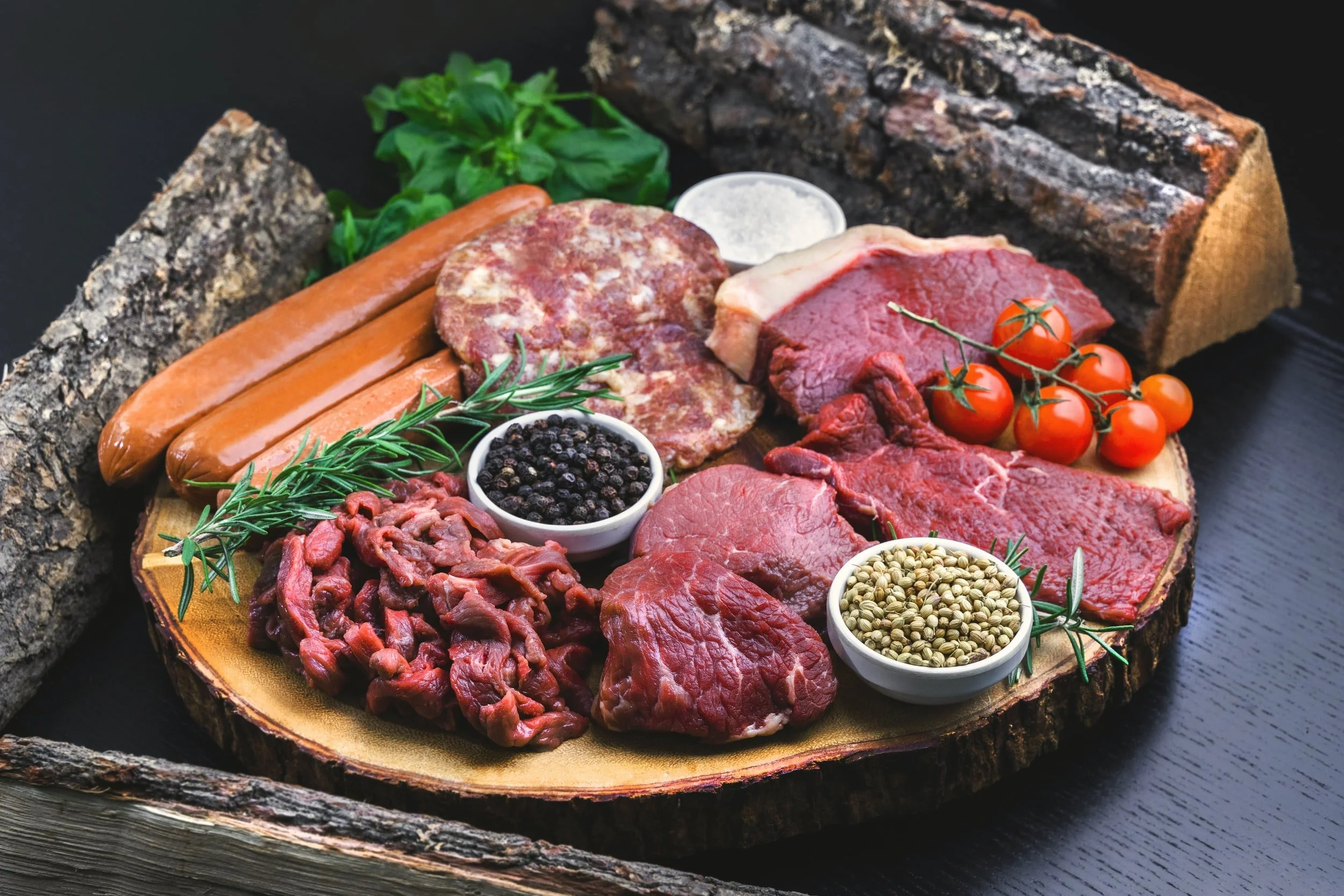
For meat eaters who are also conscious of the environment, our vegan cousins often point to the environmental impacts of eating meat as a reason we shouldn’t do it. After all, Producing meat requires a great deal of land and water resources, and livestock such as cows and sheep are responsible for half of all of the greenhouse gas emissions associated with agriculture, according to the World Resources Institute. But the carbon footprint of vegan meats and other vegan products is by no means small, and there IS an environmentally-loving and regenerative way to farm meat.
Grass Fed Vs. Feed Lot Beef: What’s the Difference?
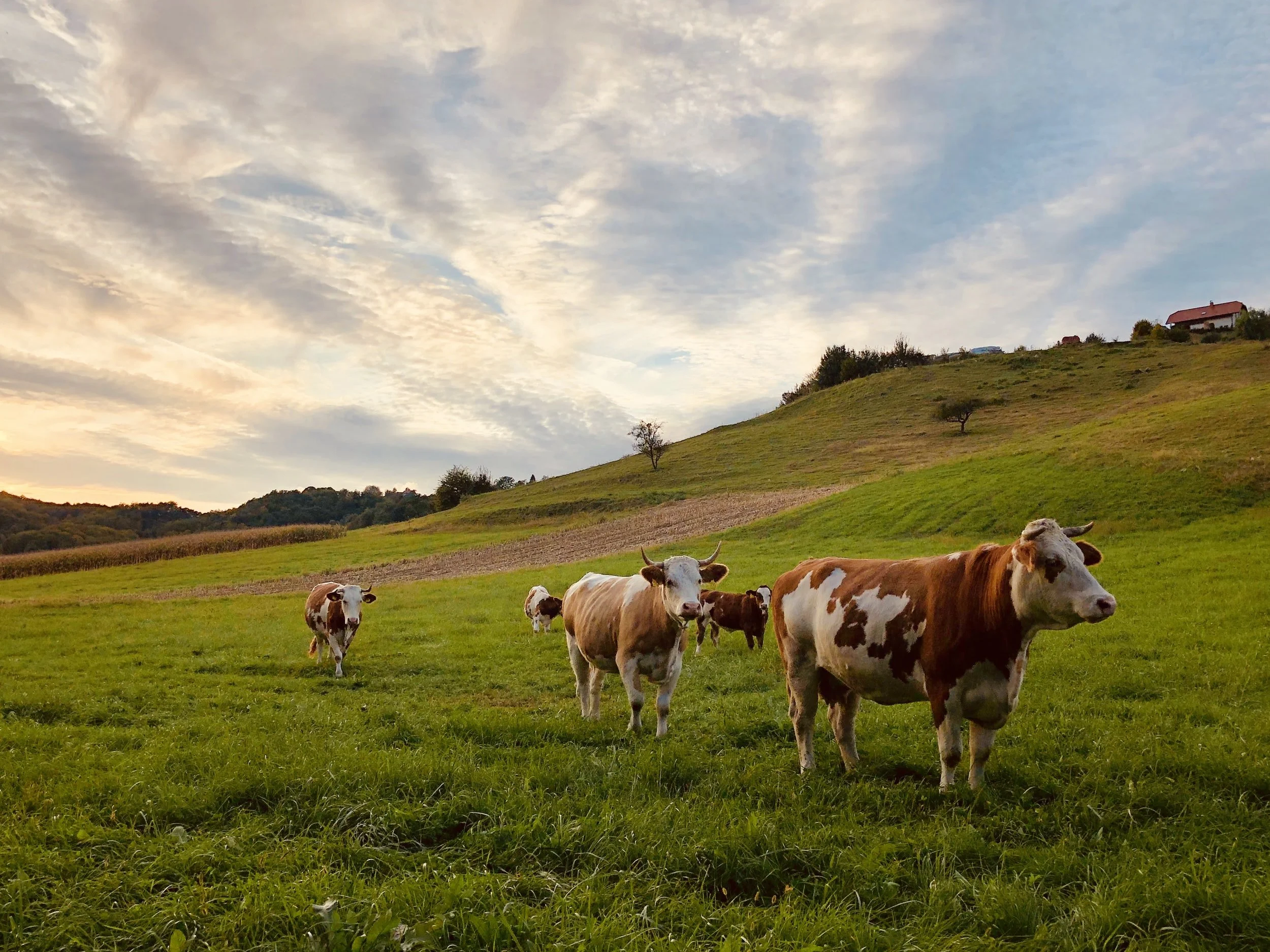
Check out the main differences between grassfed & finished beef and feedlot beef below. Essentially, Grass Fed Beef spend their entire lives grazing on grass. Feed Lot Beef spend the final 120 days of their lives in a feedlot, where they are fed a high-energy diet of corn and other grains so that they gain weight (and fat) quickly. One downside of the feedlot system, as reported here, is that a diet of corn can lead to liver abscesses in cattle, which is why animals who eat it receive antibiotics as part of their feed.
Grass Fed
Cattle spend their entire lives on grass
Finished on grass for 190 days
Sent to slaughter at between 18-24 months of age
Weight at slaughter avgs 1200lbs
Feed Lot
Begin their lives on pasture. Weaned from mom at 6-9 months
Finished on a feedlot with corn and other grains for 120 days
Sent to slaughter at 14-18 months
Weight at slaughter avgs 1350lbs
What’s the Environmental Argument for Grass Fed Beef?
Grass fed beef—and other pastured livestock— are a key part of a healthy ecosystem. Think about the animals of old that would graze on the open range. Their manure returned nutrients to the soil and their constant—and wild—movements meant that the land didn't need to be plowed to plant corn for feed. The animals naturally plow the terrain, and since they don’t remove the roots from the grass that they eat, deep-rooted grasses that prevent erosion flourished.
Had those iconic herds still been around in the 1930s, and had farmers not plowed the living daylights out the land in irresponsible ways, the whole Dust Bowl could’ve been prevented.
Naturally Grazed Livestock Return Ecosystems to their Natural Habitat
Agricultural livestock are an incredible tool in promoting soil health. The longer you can manage cattle on pasture range, the more they can contribute to ecosystem regeneration. They do this by:
Restoring soil microbial diversity
Making the land more resilient to flooding and drought
Boosting the amount of deep rooted grasses that trap atmospheric carbon dioxide—which helps fight climate change
But What’s the Environmental Footprint of Grass Fed Beef?
Many people will tell you that grass fed beef is no better for the environment than feedlot beef. A number of past studies have found lower greenhouse gas emissions associated with the feedlot system. One reason is that grass-fed cows gain weight more slowly, so they produce more methane (mostly in the form of belches) over their longer lifespans.
However, the problem with these studies was that they prioritized “efficiency” (using corn instead of grass to feed beef, and using tiny feedlots instead of pasture to raise beef) without looking at ANY of the other aspects that grass fed beef bring to the table, such as soil health, carbon sequestration, and overall landscape health. There is more to saving the planet than efficiency.
When you look at all of these in combination, the argument for grass fed beef is clear.
Check out Ayers Valley Farms for their Grass Fed and Pastured Raised Beef, Pork, and Chicken
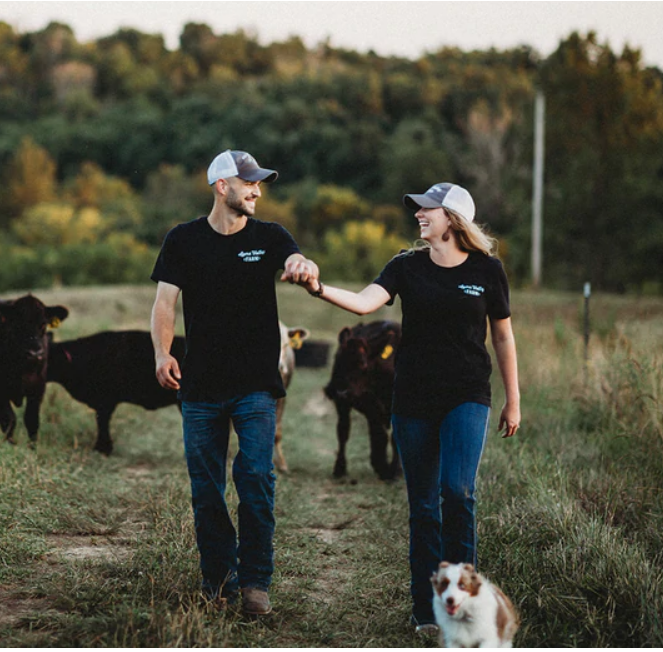
I LOVE THESE GUYS! And their meat is the best.
They have a passion for raising livestock the way nature intended, raising cattle, hogs and chickens out in the pasture on their farm in Brown County, Ohio. From birth to harvest every animal lives their best life on their farm. They provide the highest quality of care, 365 days a year.
They promise to never use antibiotics, growth hormones or GMO’s (genetically modified organisms). They are organically minded and take pride in providing premium grass fed finished beef, silvopasture raised pork and pasture raised poultry for meat and farm fresh eggs.
Through the years, they have partnered with nature to practice regenerative agriculture. This means their animals are constantly on the move to better forage while depositing manure to provide better soil health. They use rotational grazing methods to ensure that their farm land is continuously improving for their livestock to feed your family.
I know that you will taste the difference in their meats! Check them out over at Ayers Valley Farm.