The Best Beyond Organic Items for Your Pantry (and the planet!)
Pure Pantry Pleasure- For You AND the Planet!
If you have already purchased or have been thinking about buying the Regenerative Mama Better Box or subscribing to the Monthly Better Box program, I wanted to take a moment and expand on why these are the best curated dry good items on the market.
All of the items come direct from farmers who not only specialize in beyond organic and regenerative agriculture, but who also take land and animal management to a whole new level. These aren’t “box checkers” who just want to have an organic seal on their products. They are passionate men, women, and families who love what they do, care deeply about the land, and want to farm in a way that honors that land and what it produces.
Just a FEW of the real men and women whose products I source:
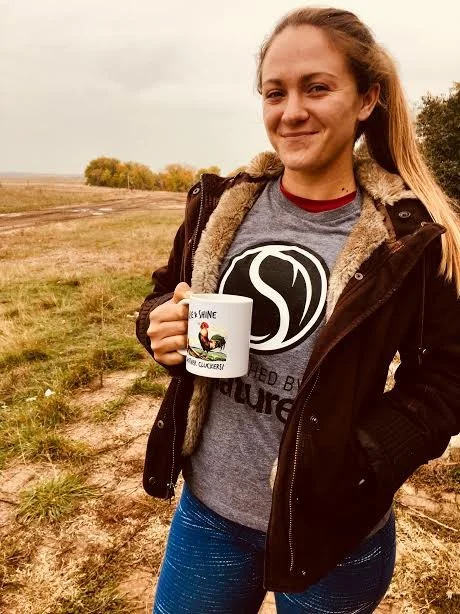
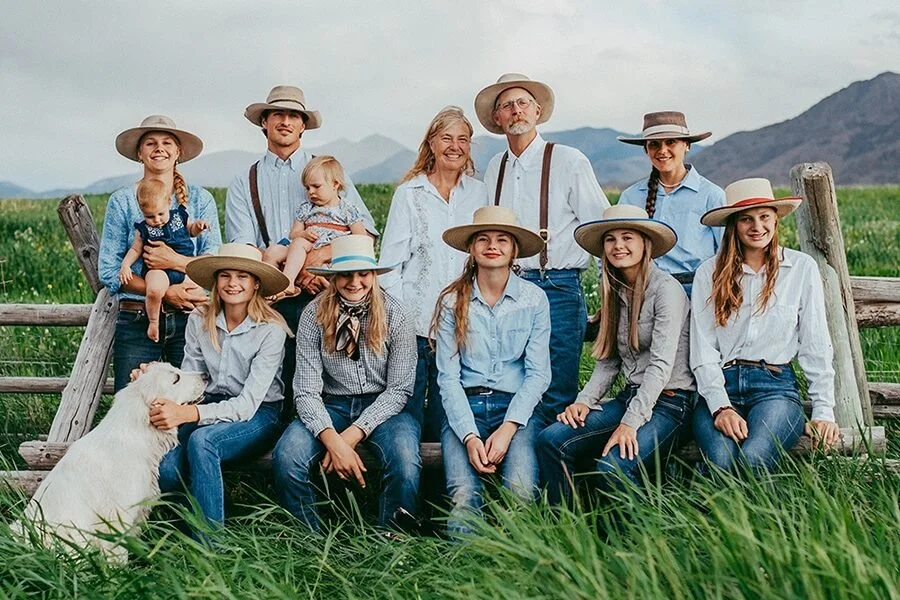
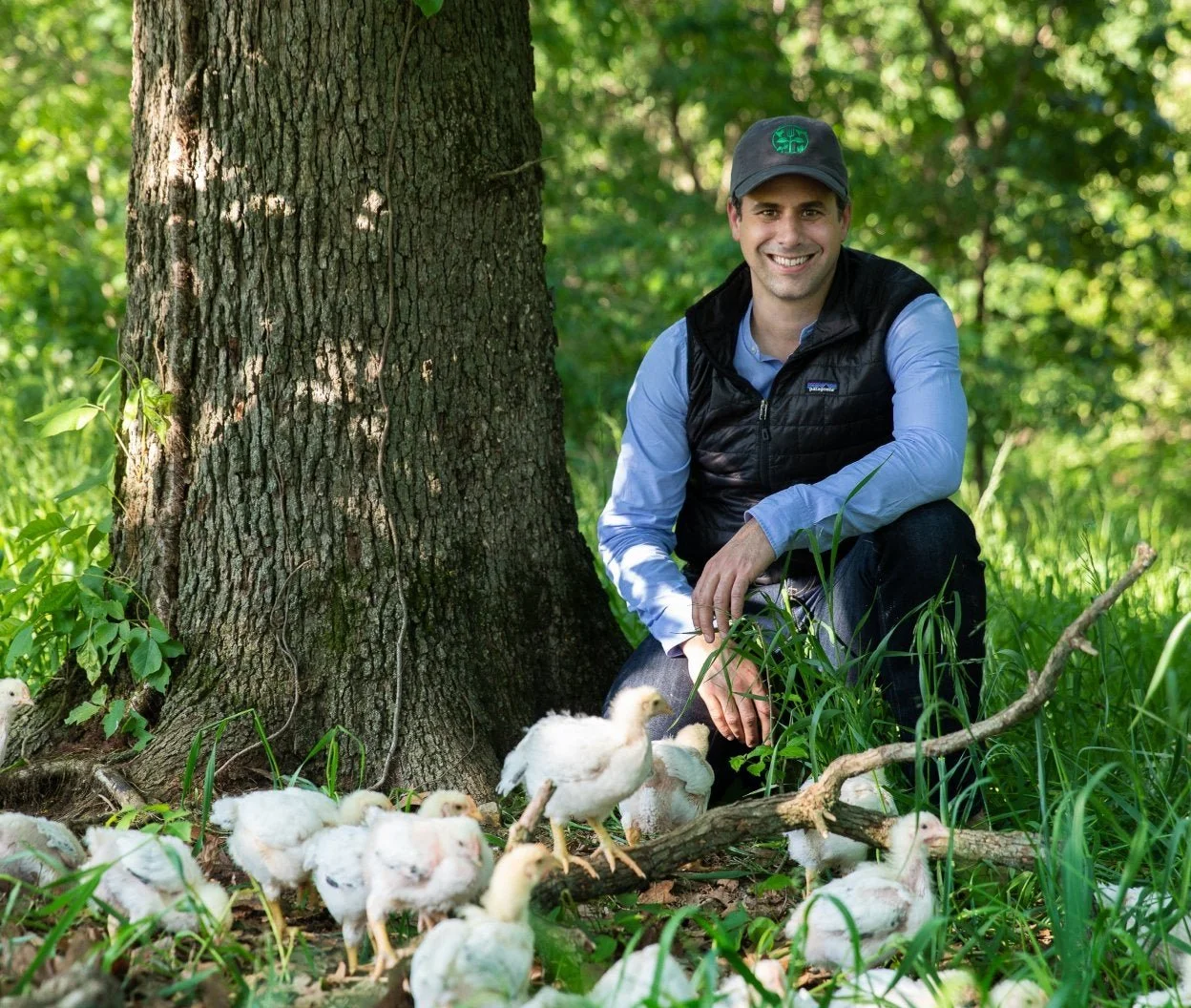
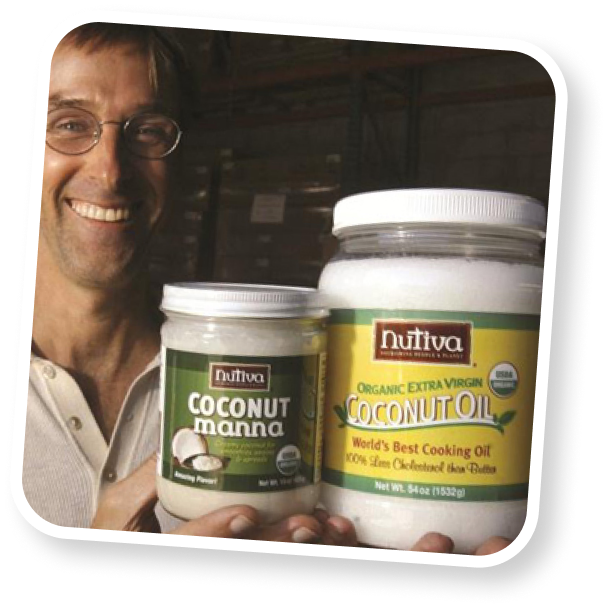
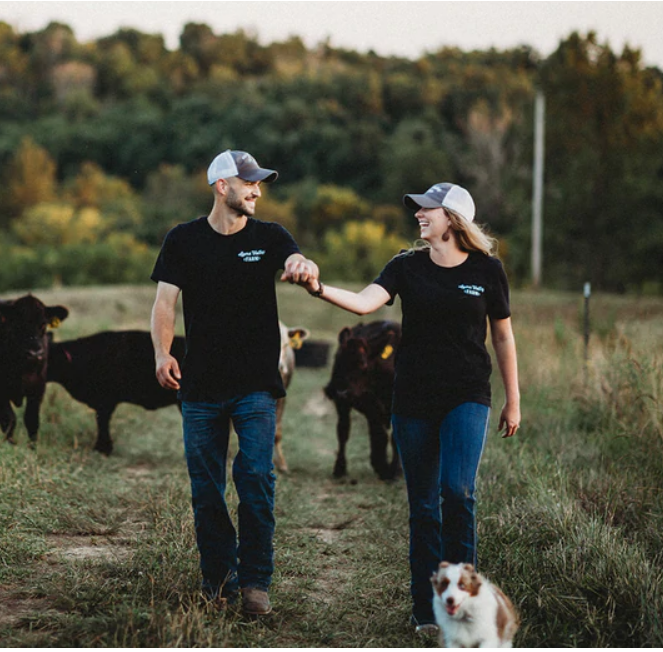
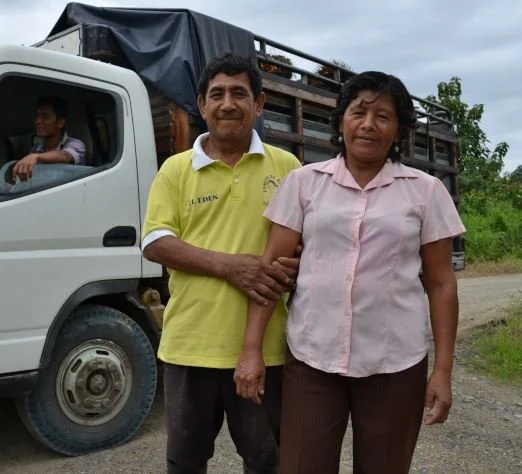
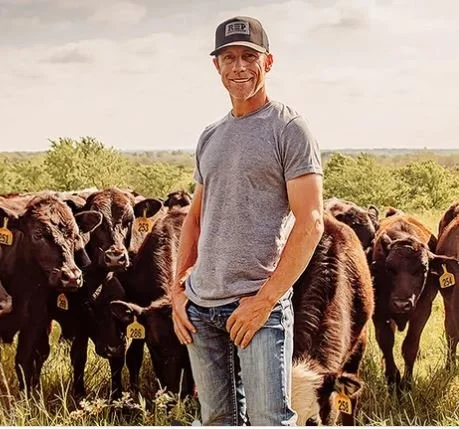
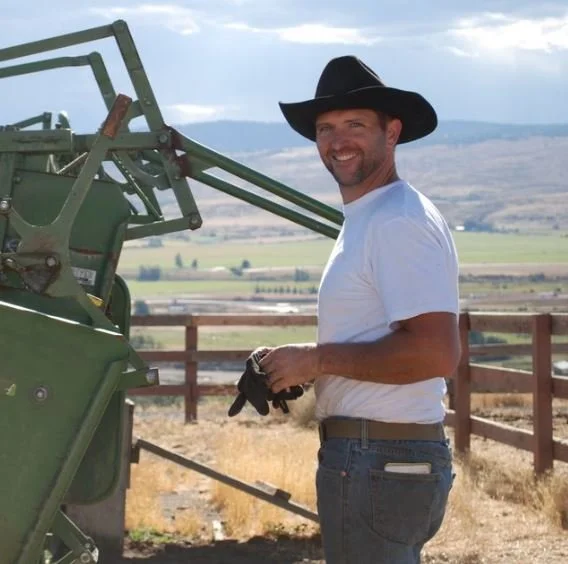
The way a farmer farms matters—for the health of the crop AND the health of our planet.
Let me explain how. All of the farmers whose products I feature in my Better Box commit to the following:
Absolutely No Synthetic Chemicals
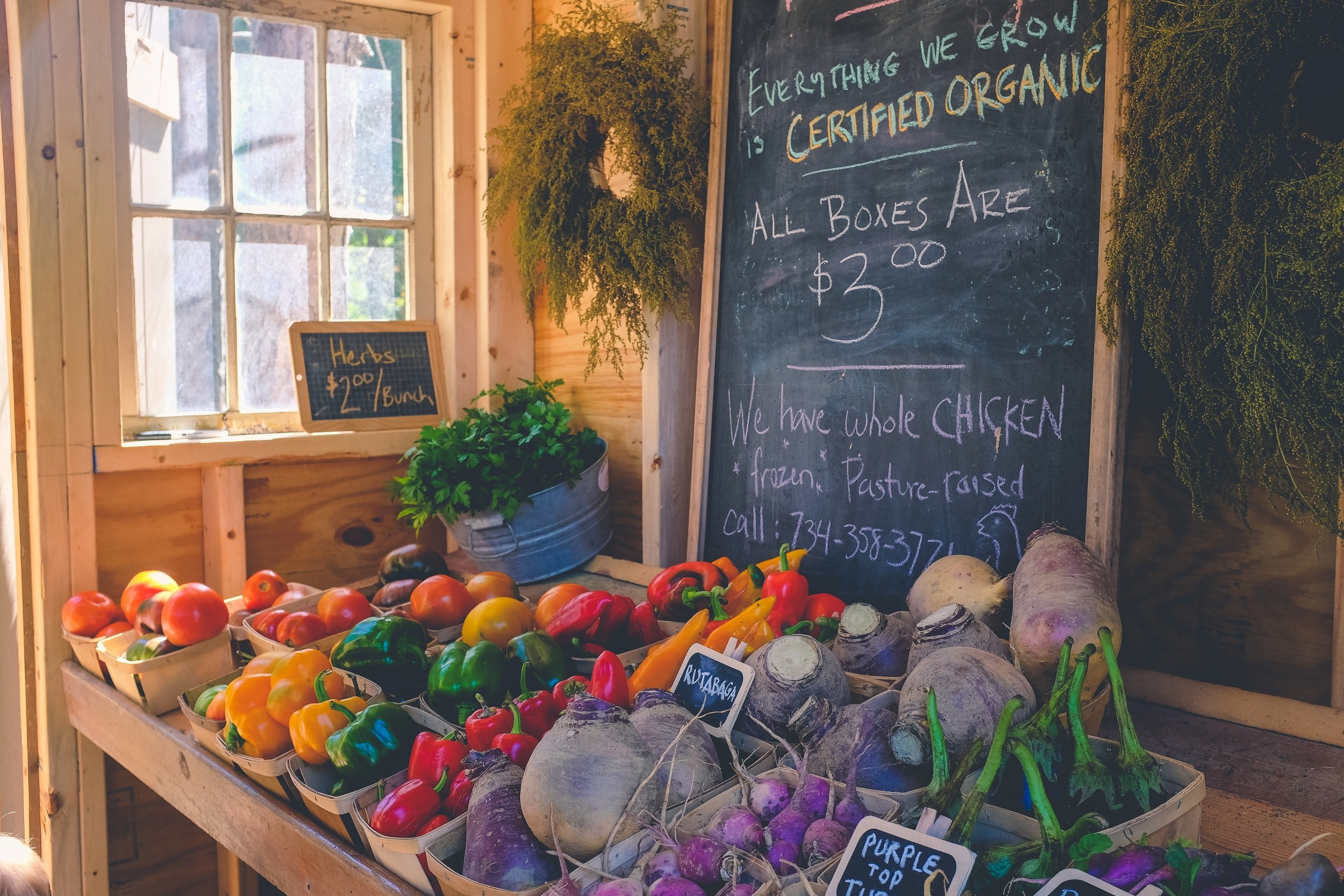
Did you know that more than 90 percent of Americans have pesticides or their byproducts in their bodies? According to the Environmental Working Group, this is because 70% of US produce currently carries traces of pesticides. What’s alarming is that we already know that even low doses of pesticides and other synthetic chemicals can harm children and that exposure to chemical mixtures, particularly during critical windows of neurodevelopment, may carry serious health risks that take years to emerge.
I only source products from farmers who commit to using ZERO synthetic chemicals throughout their entire process- from planting to harvesting to making the final product.
Diversity in Planting
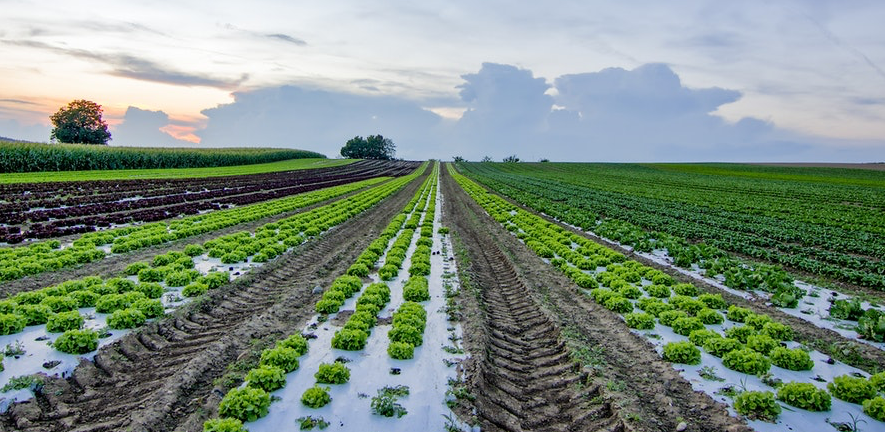
You might wonder why crop or plant diversity matters— why not plant acres and acres of the same thing? Well, it turns out that plant diversity:
Increases crop and forage yield
Increases wood production
Improves yield stability (stabilizes the amount of crop produced each year)
Better supports important pollinators like bees
Naturally suppresses weeds and pests
Crop or plant diversification strategies include:
Planting genetically different types of the same plant together
Mixed plantings (planting different crops together)
Rotating crops (using the same piece of land to plant different crops each season)
Diversifying surrounding croplands (planting many different types of plants around the crops)
Notice that all of the strategies above are NATURAL strategies that eliminate the need to use harmful pesticides. They naturally encourage growth and naturally encourage things that IMPROVE growth- like pollinators.
Regenerative Grazing Management
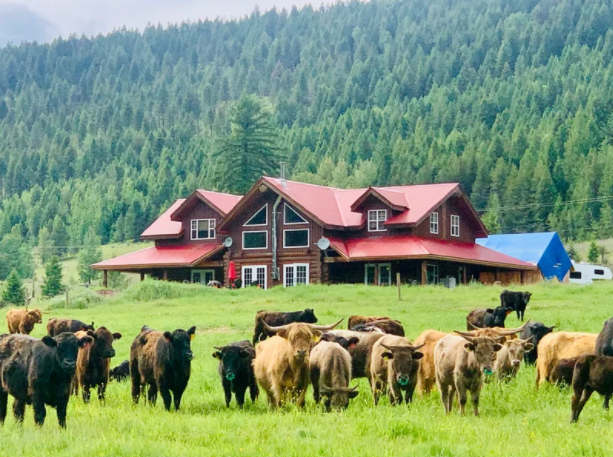
Our grasslands were not made to support continuous grazing. In the wild, animals naturally moved from one area to the next, giving a grazed area time to regenerate. When large, industrialized farms move away from those natural processes, it severely damages the land. The farms whose products I source utilize methods that mimic natural grazing patterns, like rotational grazing and intergrazing different species of animals.
Land-Loving Practices Such as Composting and Minimal/Zero Tillage
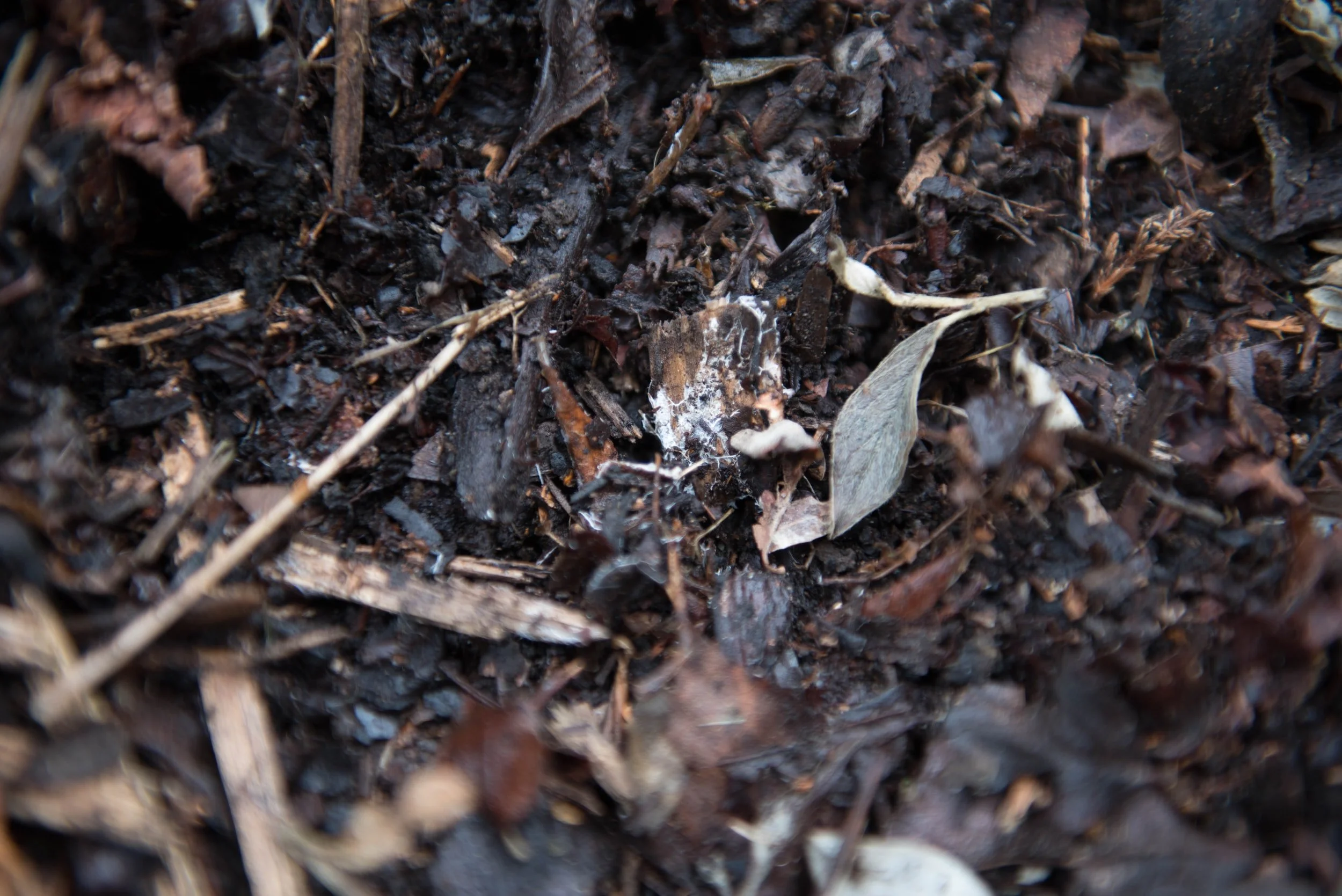
I wrote in a previous blog post about why our soil health matters, both to issues like climate change AND to the nutrient density of our food. Instead of using those harmful practices, the farms I partner with use practices such as composting and commit to minimal/zero tillage of the soil.
Composting is an AMAZING natural way to boost the health and resiliency of plants. It:
Balances soil density
Enriches the soil
Balances soil pH
Improves the takeup of water by the plant or crop
Suppresses pests and disease
Reduces certain plant diseases
Again, this is a completely NATURAL process that doesn’t add any icky chemicals to the final product!
Developing Native Plant and Animal Communities
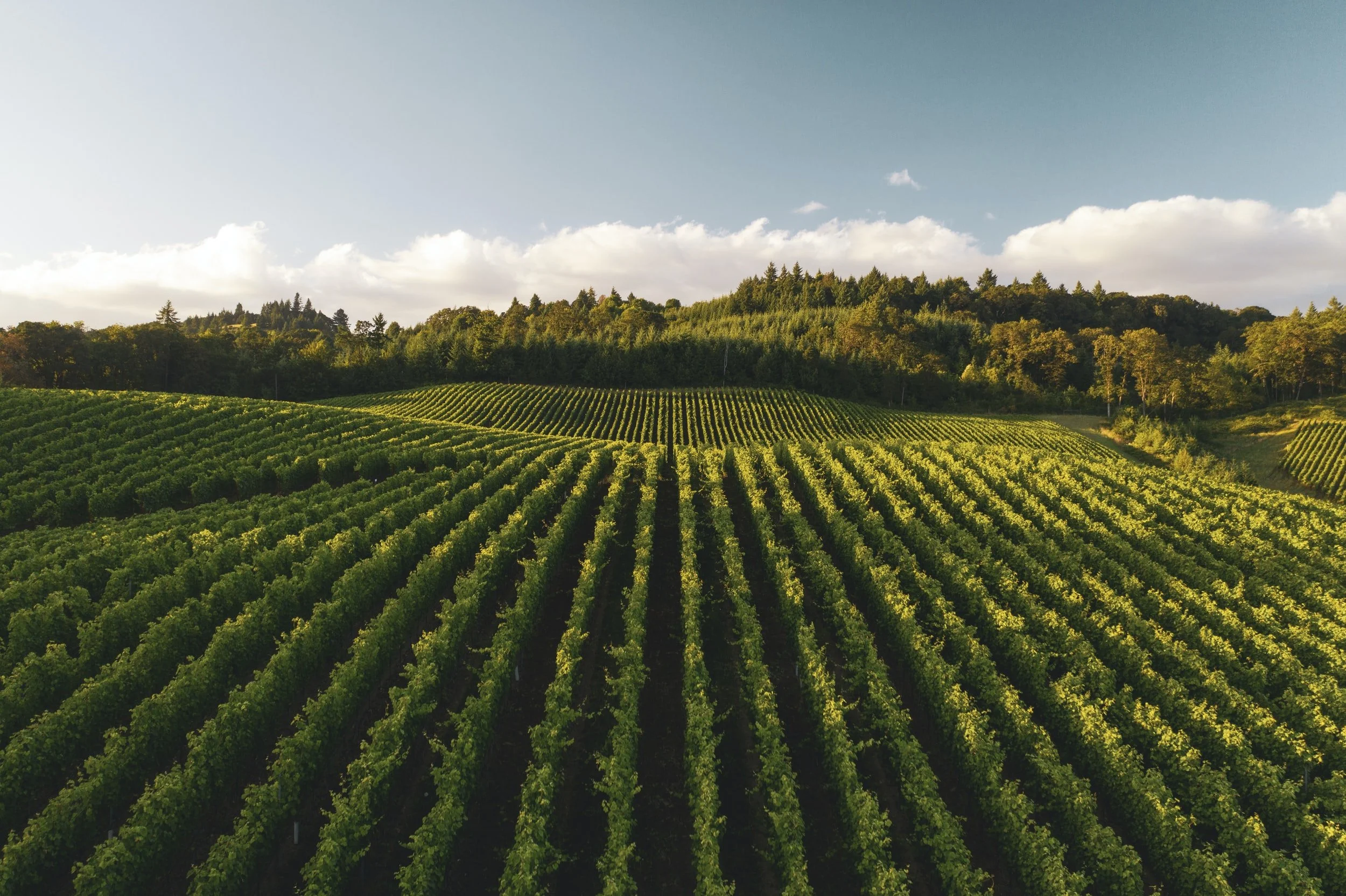
The early days of agriculture began about 10,000 years ago, when people gathered the native plants around them and began to eat them. The first “domestication” of a plant (trying to grow it “on demand” rather than cultivate it wherever it was growing) started with wheat in the Fertile Crescent and spread quickly throughout Europe. The vast majority of crops grown today are “exotic” to the area (meaning, they did not naturally grow there in the past). Redeveloping native plant communities has an array of benefits, including:
Promoting genetic diversity in plants, which improves resistance to disease and improves the adaptability of a plant to environmental stressors
Native plants are adapted to their homeland environment and thus better able to survive and produce high yields of phytochemically rich foods with fewer inputs including water, fertilization, and pest and disease control
Native plants mitigate soil erosion and support plant-soil-microbe interactions that are necessary for healthy soils
Native species can reduce negative impacts of introduced species. Invasive species often spread and damage the environment, threatening biodiversity, agriculture, and human health
These are just a FEW of the ways that the farmers I partner with are working to help improve our planet!
When you buy a Regenerative Mama Better Box or subscribe to our Monthly Better Box program, you are supporting these farmers, your own health AND the health of the planet.
Now that’s a gift to yourself that you can REALLY be thankful for!